
Why Visit Goa in Rainy Season?
Most travellers associate Goa with the November to February peak season, when beaches are packed, and prices reflect it. Goa in the rain flips that equation entirely. The state receives its heaviest rainfall between June and August, then transitions to a quieter, greener September. For travellers who want Goa without the noise, the timing is ideal

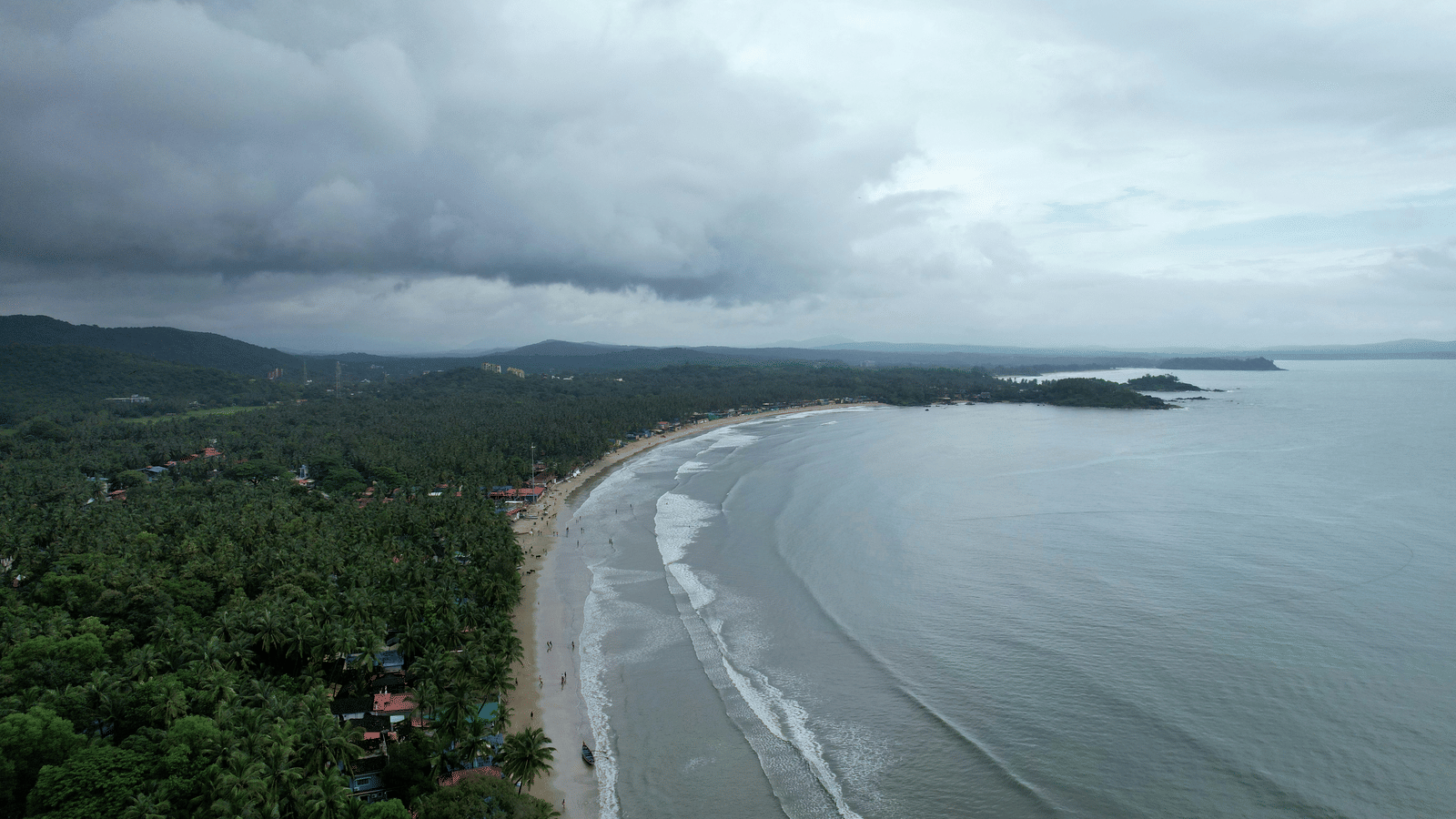
- Fewer crowds: Popular beaches, heritage sites, and restaurants are significantly less busy. You get more of Goa to yourself.
- Lower rates: During the off-season, hotels, resorts, and flights are typically discounted compared to peak rates.
- Cooler temperatures: The mercury drops to a comfortable 24 to 30 degrees Celsius, a significant improvement over the summer heat of April and May.
- Waterfalls at peak flow: The peak flow of Dudhsagar Falls and the Sahyadri’s smaller cascades is seasonal, occurring solely during and right after the monsoon period.
Things to Do in Goa in Monsoon
South Goa is naturally more serene than the north, and visiting Goa in the rainy season significantly heightens that tranquil, laid-back atmosphere. The destinations in South Goa during the rains reward those who prefer scenery and atmosphere over organised activity:
- Dudhsagar Falls: One of India's tallest waterfalls, at approximately 310 metres, Dudhsagar is at its most spectacular during the monsoon. Located on the Goa-Karnataka border within the Bhagwan Mahavir Wildlife Sanctuary, best visited between July and October.

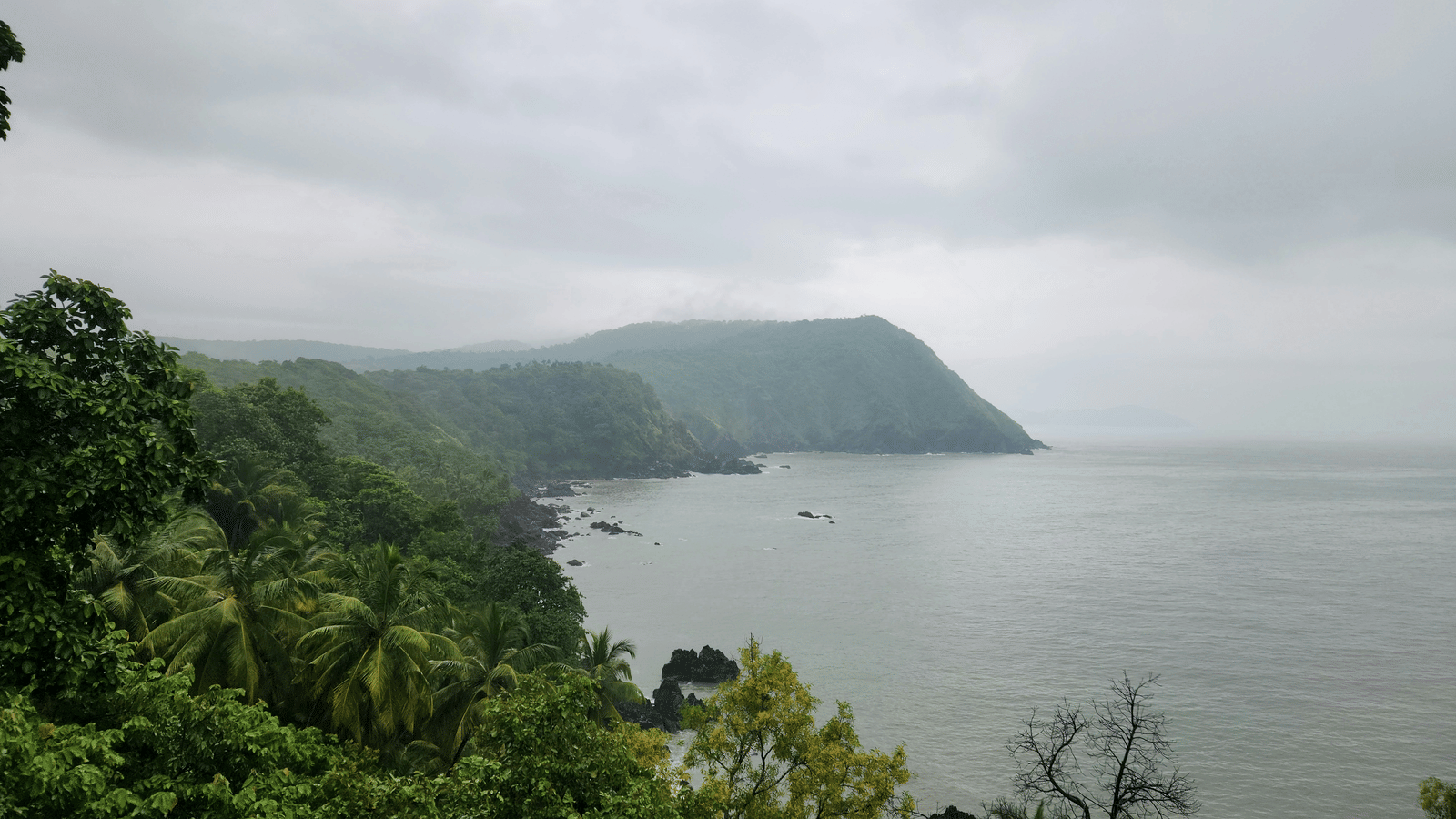
- Cabo de Rama Fort: One of the oldest forts in Goa, sitting on a South Goa headland with views of the Arabian Sea. The surrounding greenery is at its richest during monsoon, and crowds are minimal—a straightforward half-day visit worth building into the itinerary.
- Cotigao Wildlife Sanctuary: Goa's second-largest wildlife sanctuary, home to sloth bears, leopards, deer, and numerous bird species, and is at its most lush during the monsoon. Early morning visits are most productive for wildlife sightings.
- Cola and Agonda Beaches: South Goa's beaches are more sheltered than their northern counterparts. Swimming is inadvisable during the monsoon due to strong currents, but the coastline is scenic for walks and photography, particularly at dawn and dusk.
Goa in Monsoon Season: Festivals and Local Culture
One of the most compelling reasons to visit Goa in the rainy season is the festival calendar. The off-season coincides with some of the state's most vibrant cultural events:

- Feast of Sao Joao (June): A traditional Catholic festival celebrated with jumping into wells and rivers, flower-adorned crowns, and local revelry across Old Goa and the northern villages.
- Bonderam Festival (August): Divar Island's Bonderam Festival features a vibrant placard procession, traditional music, and food, making it one of the region's most photogenic cultural events.
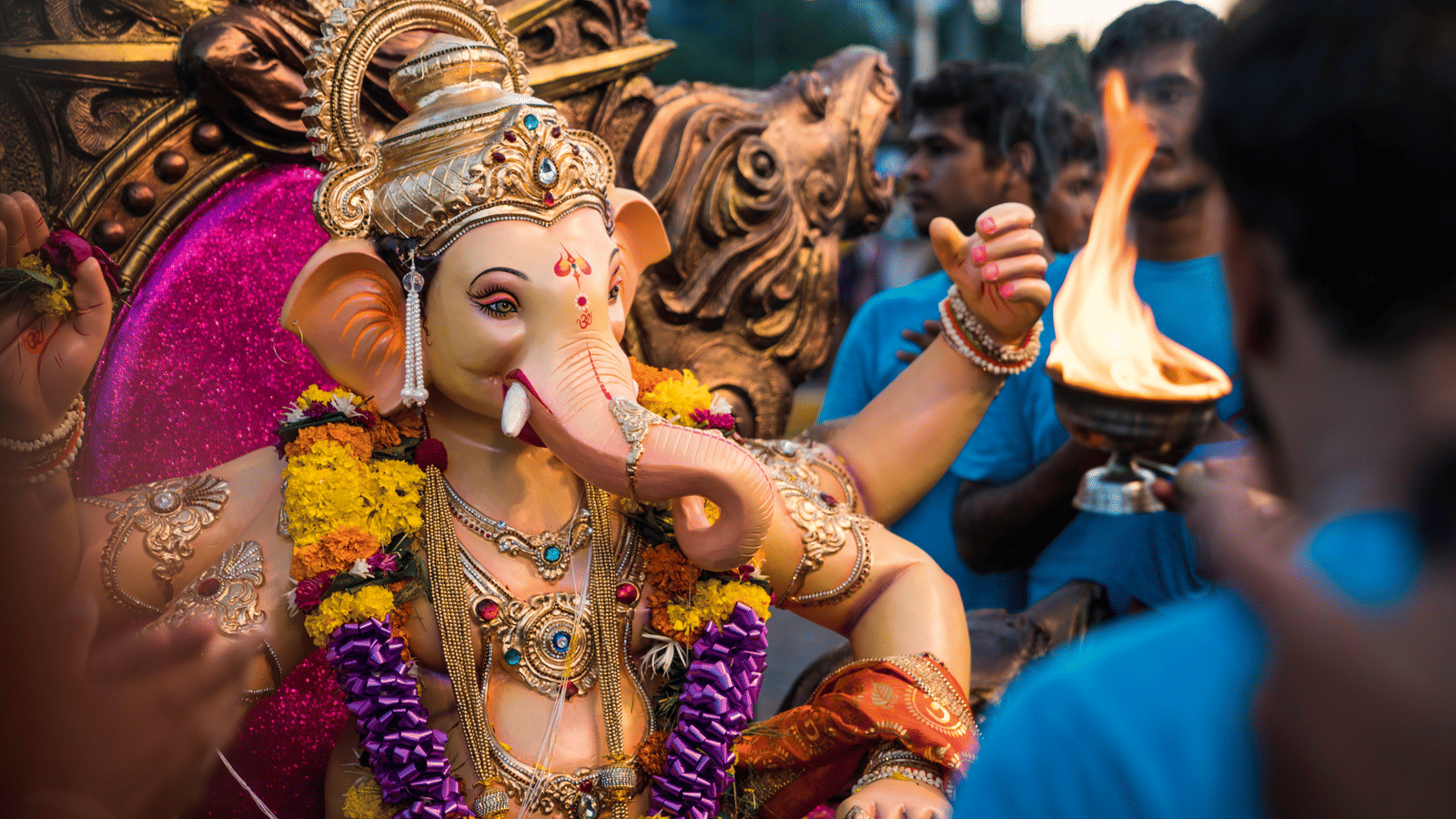
- Ganesh Chaturthi (August or September): Celebrated with particular enthusiasm across Goa, with large community processions, decorated pandals, and traditional Goan food. The immersion ceremony on the final day is spectacular.
Things to Know Before Visiting Goa in Monsoon
Planning your trip to Goa in the rainy season requires a little extra preparation. Here's what every traveller should keep in mind:
Weather Conditions
Rainfall is heaviest in June, July, and August, with daily downpours lasting several hours. September brings lighter showers and a more pleasant atmosphere. Temperatures remain between 24 and 30 degrees Celsius throughout, making it warm but not uncomfortable.
Safety Precautions
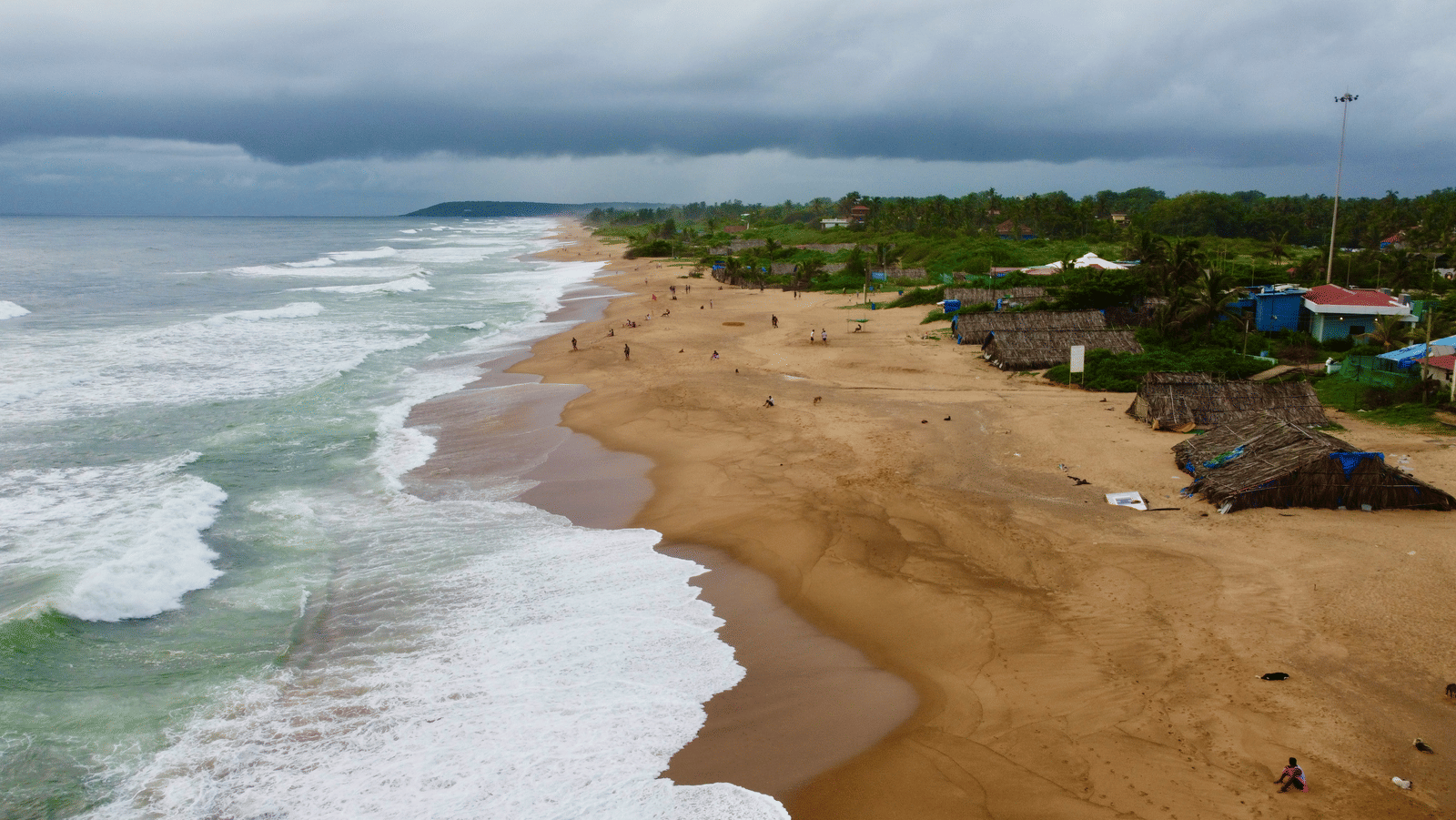
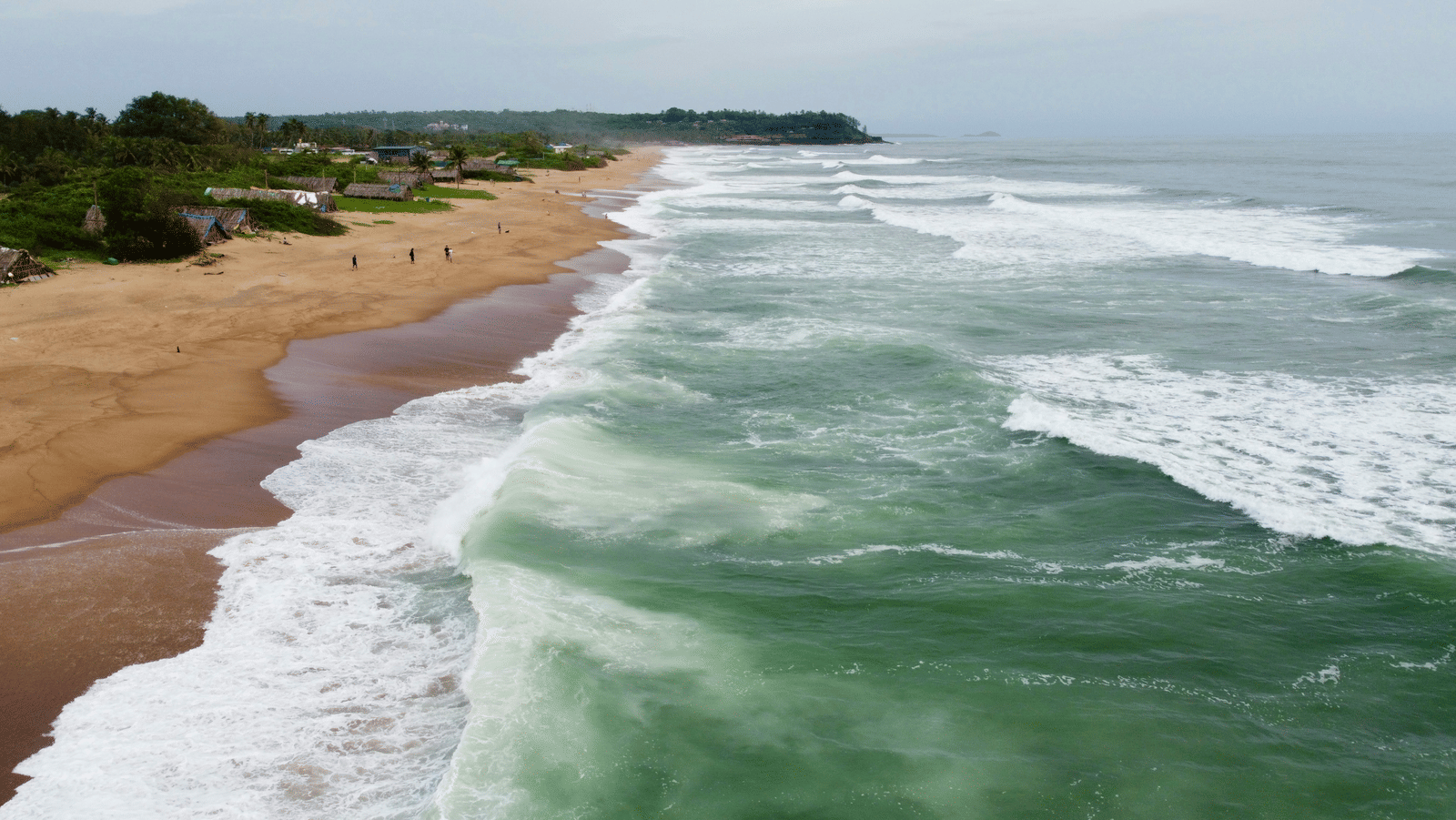
Sea conditions become rough during the monsoon, with strong undercurrents and high surf. Swimming at all beaches is strongly discouraged and officially restricted during this period. Trekking trails near waterfalls can also become slippery—always follow local warnings and avoid venturing off marked paths.


Beach Restrictions
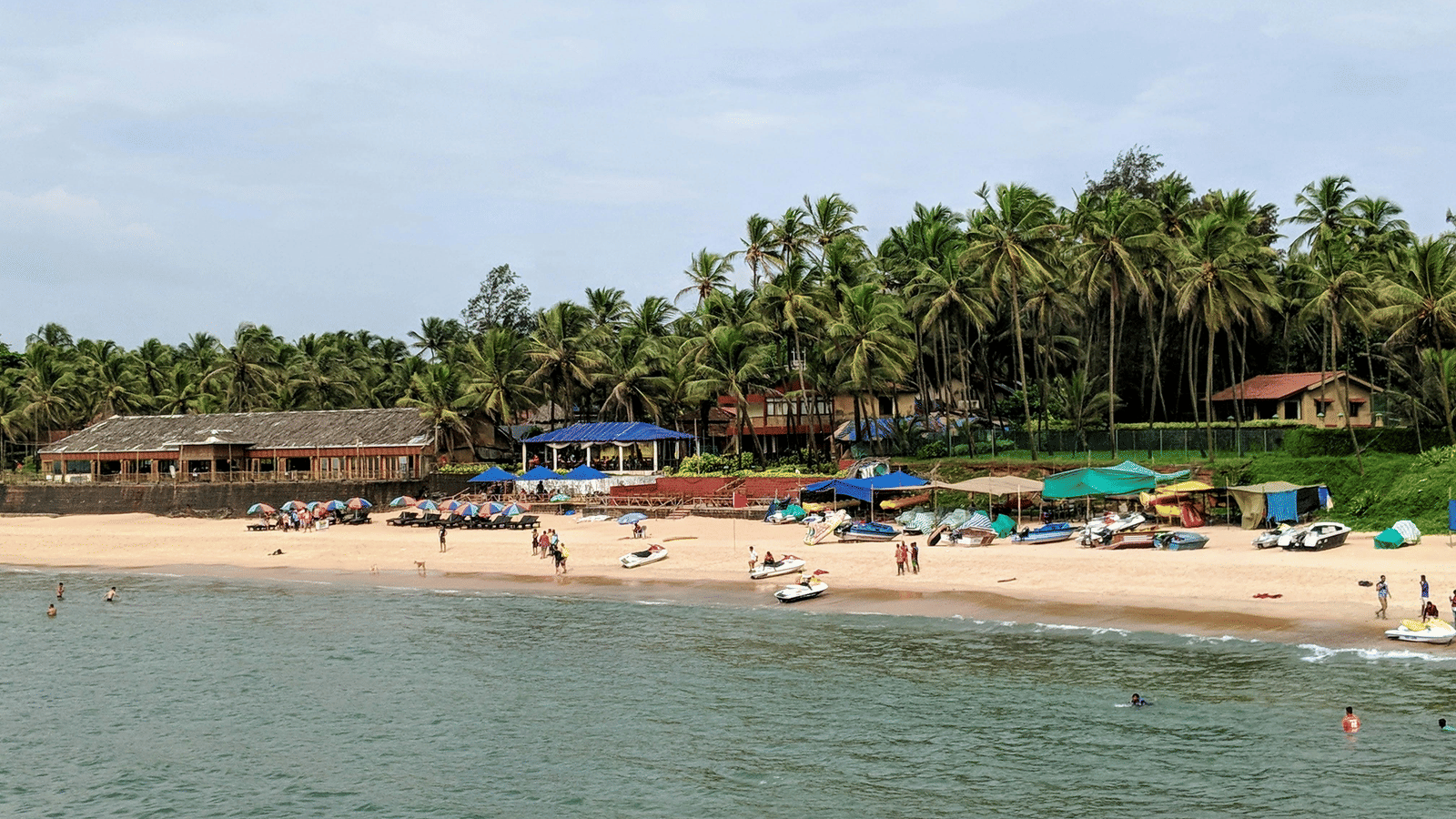
Most beach shacks and water sports operators close between June and September. Beaches remain accessible for walks and photography, but the absence of lifeguards means extra caution is essential. South Goa's beaches, including Varca and Agonda, tend to be calmer and more sheltered than those in the north.
Packing Essentials for Goa in Rains
- Lightweight waterproof rain jacket or poncho
- Quick-dry clothing and footwear
- Waterproof bag or dry sack for cameras and electronics
- Insect repellent (mosquitoes are more active during the monsoon)
- Compact umbrella
- Sunscreen (UV rays remain strong even on overcast days)

Goan Cuisine in Monsoon: A Feast for the Senses
Goa in the monsoon season is not just a visual transformation—it is a culinary one too. The monsoon transforms the local palate, introducing a unique set of ingredients and cooking techniques that turn every rainy-day meal into an unforgettable culinary event.
Comforting Local Dishes
The cooler, wetter days of the rainy season call for heartier Goan home-style cooking. Look out for:
- Khatkhate: A wholesome mixed vegetable stew flavoured with freshly grated coconut and local spices, traditionally prepared for festivals.
- Goan Rice and Fish Curry: The quintessential Goan comfort meal, best enjoyed on a monsoon afternoon with a steaming bowl of red curry and kokum.
- Sanna and Pork: Soft, fermented rice cakes paired with spicy Goan pork curry, a combination that is deeply rooted in local Goan food culture.


Seafood Delicacies During the Rains
Contrary to popular belief, the monsoon does not mean a scarcity of seafood—it simply shifts the catch. Certain fish and shellfish are at their freshest and most flavourful during this period. Snappers, king fish, and prawns are particularly sought after. Many local eateries and resort restaurants feature seasonal seafood menus that make the most of what the Goan coast offers during the rains.
Dining at Caravela During the Monsoon
At Caravela Beach Resort, dining in Goa during the rainy season is an experience in itself. The resort's on-site restaurants serve a thoughtful blend of authentic Goan cuisine, fresh seafood, and international dishes—all within the lush, rain-soaked backdrop of the 23-acre estate. Whether it is a leisurely breakfast after a morning rain, a warm lunch by the pool, or a candlelit dinner surrounded by the sounds of the monsoon, every meal at Caravela is designed to complement the season beautifully. For those seeking a premier getaway, the resort’s culinary offerings are a cornerstone of what makes visiting Goa in the monsoon season such a remarkable experience.


Experience Goa in Monsoon Season at Caravela Beach Resort
Ideally situated on the sands of South Goa, Caravela Beach Resort offers a front-row seat to the dramatic tides and peaceful atmosphere that define Goa in the rainy season. With a sprawling 23-acre estate and a private golf course, this 5-star resort provides the perfect setting to unwind on a misty afternoon in Goa in the monsoon season.
- Accommodation: Sea-facing accommodations designed for comfort across all seasons, including the monsoon.
- Dining: Taste the world or stick to local roots at Caravela’s on-site restaurants. Don't miss the seasonal menus—the best way to savour the monsoons is through its unique local harvest and traditional rainy-season comfort food.
- Wellness: The resort’s swimming pool, gym, and full-service spa provide a comprehensive, year-round wellness experience. The cool, humid months are ideal for spa treatments.
- Location: Beachfront, South Goa. Walking distance to the beach; well-positioned for day trips to Dudhsagar, Cabo de Rama, and Cotigao.
